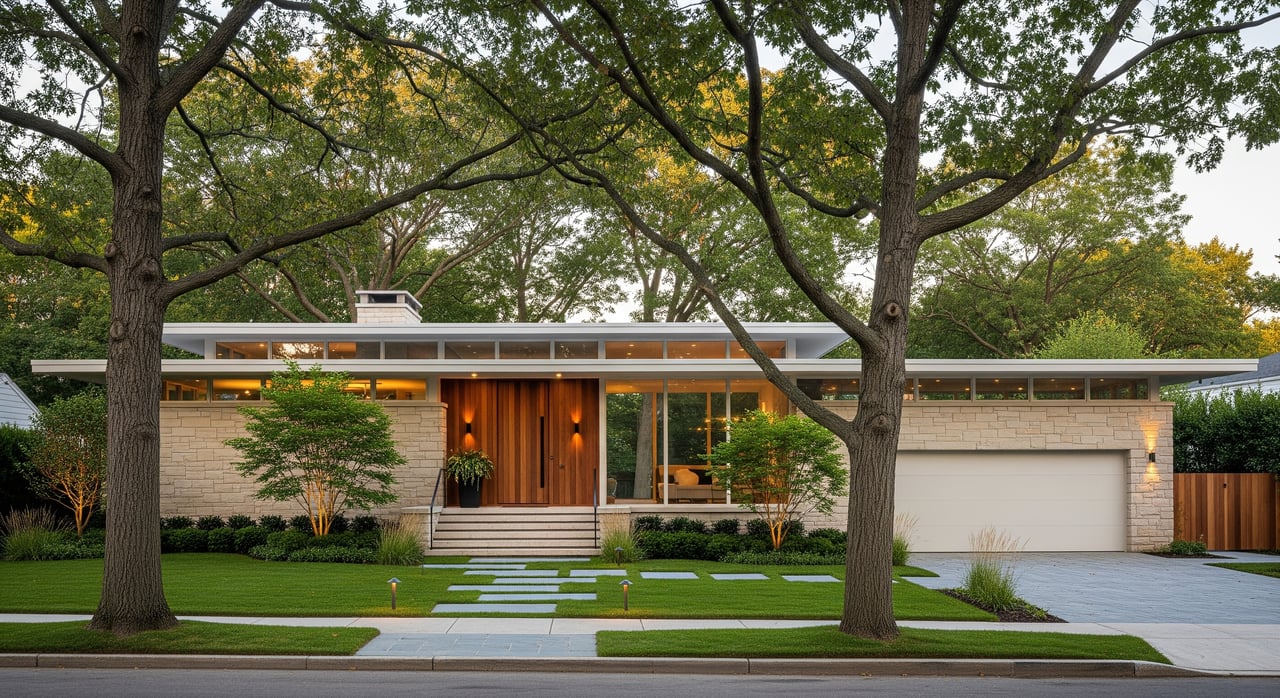
Thinking about buying or selling a mid-century home in Springfield? The charm is real, but so are the big-ticket updates that often come with 1940s–1970s houses. With a clear capital plan, you can protect your investment, avoid surprises, and present the home beautifully at sale. This guide covers what to fix first, typical lifespans and costs, permits and taxes, and the 2025 incentive timing that may affect your bottom line. Let’s dive in.
Why CapEx matters in Springfield
Springfield Township in Union County has a large stock of mid-century single-family homes, many with original systems and finishes. That means you will likely face work on the roof, mechanicals, electrical capacity, plumbing, and possible lead or asbestos. Knowing what is typical in 07081 helps you budget and prioritize wisely. For local context, see the township overview on Springfield Township’s municipal profile.
Start with safety first
Address urgent items before cosmetics so small problems do not grow into costly repairs.
- Electrical hazards: outdated panels, missing grounding, open splices, or known problem wiring.
- Active roof leaks: water stains, sagging drywall, or wet insulation.
- Heating risks: repeated shutdowns, combustion odors, or carbon-monoxide alarms.
If you plan to remodel, survey for lead paint or asbestos so you can handle materials safely and legally.
Envelope and moisture control
Water is the enemy of value. Keep the roof, gutters, grading, and drainage in shape to protect the foundation and interiors.
- Typical lifespans: many original components in mid-century homes are beyond their expected service life. Review common ranges for windows, roofing, and other parts using this house component lifespan guide.
- Watch for curling or missing shingles, failing flashing, clogged gutters, and soft spots in soffits and fascia.
- Plan window upgrades when seals fail or frames rot, and improve air sealing and insulation after the roof and drainage are sound.
Heating, cooling, and hot water
Mid-century homes often run older boilers or furnaces, retrofitted central AC, and tank water heaters.
- Typical lifespans: many furnaces and boilers last about 15 to 25 years, AC condensers about 10 to 15 years, and tank water heaters around 8 to 15 years. See typical ranges in the component lifespan guide.
- Upgrade triggers: rising energy bills, frequent repairs, erratic cycling, or water leaks.
- If you are considering heat pumps or efficiency work, check state programs that can lower net costs through New Jersey Clean Energy Program’s offerings.
Electrical capacity and wiring
Many Springfield mid-century homes were built with 60 to 100 amp service, which can be tight for modern loads.
- Panel upgrades to 200 amp are common when adding EV chargers, modern HVAC, or induction cooking.
- If legacy wiring or a problematic panel is present, plan a safety-first upgrade. Use local bids to size the project; national guides show that rewiring costs can range from the low thousands into the tens of thousands depending on scope. For planning ranges, see typical rewiring cost guidance.
Plumbing and sewer
Original galvanized supply lines can corrode and restrict flow. Cast-iron drains can last decades but may deteriorate.
- Watch for low water pressure, discolored water, slow drains, or sewer backups. A sewer scope can help you assess condition before closing or remodeling.
- Replace sections proactively during other renovations to avoid opening finished walls twice.
Lead and asbestos: rules to know
Homes built before 1978 may contain lead-based paint. Renovations that disturb painted surfaces in pre-1978 housing require contractors to follow EPA Renovation, Repair and Painting rules. Learn about lead-safe work practices before you plan work.
Asbestos can appear in floor tiles, insulation, roofing, and older duct or pipe wrap. Do not disturb suspect materials. Use licensed professionals when removal is required and follow applicable federal and state guidance, including the EPA’s regulations in 40 CFR.
Permits and inspections in Springfield
Most major replacements require permits in New Jersey: roof replacement, HVAC swaps, electrical panel upgrades or rewiring, window replacements, and structural changes. Confirm requirements, lead times, and fees with Springfield’s Construction Department and coordinate with contractors who can pull permits. Start at the township’s listing page for contacts: Springfield Township municipal info.
Property tax and timing
Large improvements can change your property taxes midyear. New Jersey’s “added assessment” process can apply to work finished after the October 1 valuation date and before the next cycle. Review how added assessments work and check timing with the local assessor. See a Tax Court summary of the rules here.
Incentives and the 2025 deadline
Federal residential energy credits changed in 2025. Many enhanced credits now require that qualifying improvements be placed in service by December 31, 2025. See the law’s overview on Congress.gov for H.R. 1 and confirm filing details with the IRS Form 5695 instructions.
- Deadline: December 31, 2025. If you plan to claim federal credits, confirm your schedule and documentation.
- Allow time for permits, contractor queues, and any utility steps.
- Explore New Jersey programs that may lower costs or provide free services for eligible households, including Comfort Partners through NJ Clean Energy.
Budgeting and staging plan
A simple reserve plan keeps you ready for big-ticket items.
- Set aside 1 to 3 percent of your home’s value per year. For many mid-century homes, a $5,000 to $15,000 annual reserve is prudent.
- Build a 5 to 10 year calendar that maps roof, HVAC, electrical, windows, and potential drainage work.
Sample sequence:
- Immediate safety: electrical hazards, active leaks, heating safety issues.
- Envelope first: roof, gutters, grading, then insulation and air sealing.
- Systems modernization: HVAC, water heater, and electrical service upgrades.
- Hazard mitigation: lead and asbestos checks before any demolition or sanding.
If you are selling, gather permits, final inspection certificates, and warranties. Then elevate presentation with targeted repairs and thoughtful staging so buyers see a cared-for home, not a to-do list.
Financing basics
Most homeowners use savings, HELOCs, home-improvement loans, or contractor financing for major CapEx. PACE programs in New Jersey are geared to commercial and multifamily properties, so confirm availability before you plan around it. Compare offers side by side, and ask contractors to break out what is included, such as permits, start-up, and warranty terms.
Ready to map a smart upgrade path and present beautifully at sale? Let’s create a Springfield-specific plan that fits your timeline and budget. Reach out to Eleana Giannisi for design-forward guidance, local contractor intel, and a sale strategy that turns preparation into results.
FAQs
What is CapEx for Springfield mid-century homes?
- Capital expenditures are major replacements or upgrades like roofing, HVAC, electrical panels, windows, and hazardous-materials remediation that protect value and extend the home’s life.
How much should I budget each year?
- A common rule is 1 to 3 percent of your home’s value per year; for many mid-century homes, setting aside $5,000 to $15,000 annually is a prudent target.
Do I need permits for roof, HVAC, or window work in Springfield?
- In most cases yes; confirm scope and inspections with the Springfield Construction Department and have licensed contractors pull required permits.
Will upgrades raise my New Jersey property taxes?
- Possibly; improvements completed during the tax year can trigger an added assessment that increases your current-year tax bill, so check project timing with the municipal assessor.
Which upgrades should I do before listing?
- Fix safety and water issues first, then address visible wear like roofing, windows, or outdated mechanicals, and document permits and warranties to build buyer confidence.
How do 2025 federal energy credits affect my project?
- Many credits now require that qualifying work be placed in service by December 31, 2025; confirm eligibility and documentation with your contractor and the IRS instructions for Form 5695.