What if your morning started with a quiet walk under mature trees and ended with dinner steps from home, all while keeping your New York career on track? If you are weighing a move, Westfield gives you a real shot at that balance. You want smooth transit, a walkable downtown, and a home that feels like a retreat after the city. In this guide, you will see how the commute works in practice, what daily life looks like, and what to consider as a buyer. Let’s dive in.
Morning commute, made practical
Getting to the station
If you live near downtown, you can walk to the Westfield rail station using well-marked sidewalks and crosswalks. From neighborhoods a bit farther out, you can bike, get dropped off, or drive and use municipal parking where permitted. Many New Jersey commuter towns use permit systems and limited daily spaces, so plan ahead and review local rules on the town’s site before you rely on parking.
Tickets and boarding
You can buy tickets through the NJ Transit app or at machines at the station. Most commuters arrive a few minutes early to secure a comfortable spot on the platform and a seat on board. If you ride frequently, explore monthly passes and rail-bus combinations, and compare those costs with driving and parking in Manhattan.
What the train ride feels like
The train ride into Manhattan typically falls within a common suburban commute window, often around 30 to 60 minutes from platform to platform depending on your train and whether you transfer. Some schedules offer a direct ride to New York, while others route you through Newark or Hoboken with a quick change of trains. Peak-hour trains can be busy, so many riders set a routine train time and use the ride to read, plan the day, or catch up on email.
Evenings in downtown Westfield
Quick dinners and errands
Stepping off the train, you are in the heart of Westfield’s downtown core along Broad Street and Central Avenue. You will find a mix of casual and sit-down restaurants, specialty shops, dry cleaners, salons, pharmacies, and services that make quick errands simple on a weeknight. Many places offer takeout, so dinner can be on your table within minutes of getting home.
Fitness and wellness options
After a day in the city, it feels good to move. Local gyms and studios offer evening classes, and several have schedules that line up well with the commuter rhythm. If you prefer a solo routine, neighborhood sidewalks and nearby park paths are easy places to get your steps in before settling in for the night.
Parks and everyday green space
Parks near downtown give you an easy nature reset. Expect walking loops, playgrounds, lawns, and pond views that work for quick evening walks, dog time, or a leisurely lap to decompress. On weekends, these same spaces become the backdrop for family time, picnics, and seasonal activities.
Weekends that fit any pace
Stay local
When you stay close to home, the rhythm shifts from commute to community. Farmers markets, downtown events, and seasonal programming bring people outside. Cafés and bakeries double as social hubs on Saturday mornings, and restaurants give you options for brunch or a relaxed date night.
Pop into the city
When you want city energy, trains run on weekends too, with schedules that differ from weekdays. The same guidance applies as it does during the workweek. Check the timetables, choose a train that fits your plans, and enjoy the ride without worrying about city parking.
Work-from-home days that actually work
Comfortable places to focus
Hybrid schedules are common, and Westfield supports them well. Downtown cafés typically offer Wi‑Fi and a steady hum of activity that can be motivating for a few hours of focused work. If you need quieter space, consider the local library or a coworking option. Build a routine that mixes a productive morning session with a midday walk, then wrap with errands before school pickup or your evening class.
Housing and neighborhood fit for commuters
Home styles and streetscape
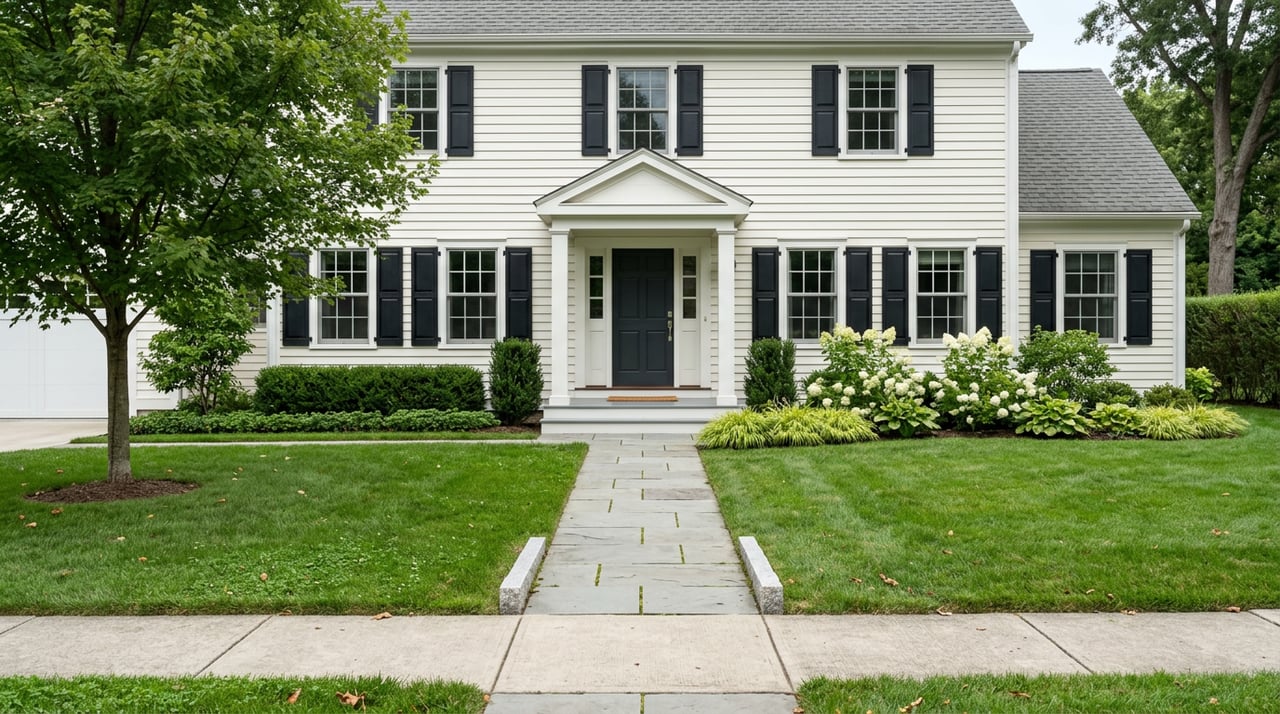
Westfield is known for established, tree-lined streets with a range of architecture. You will see Victorian, Colonial, and Tudor homes alongside some newer infill and renovations. Sidewalks are common in the central areas, which makes quick walks to downtown or the station straightforward if you choose a home nearby.
Walkability and proximity to the station
Central Westfield offers a classic town-center lifestyle. Many buyers target blocks that keep the station and shops within a short walk. If you prefer more space or a quieter street, you can widen your search radius and plan for a bike, drop-off, or parking solution. Tools like walkability maps and transit scorecards can help you compare neighborhoods during your home search.
Parking, permits, and car needs
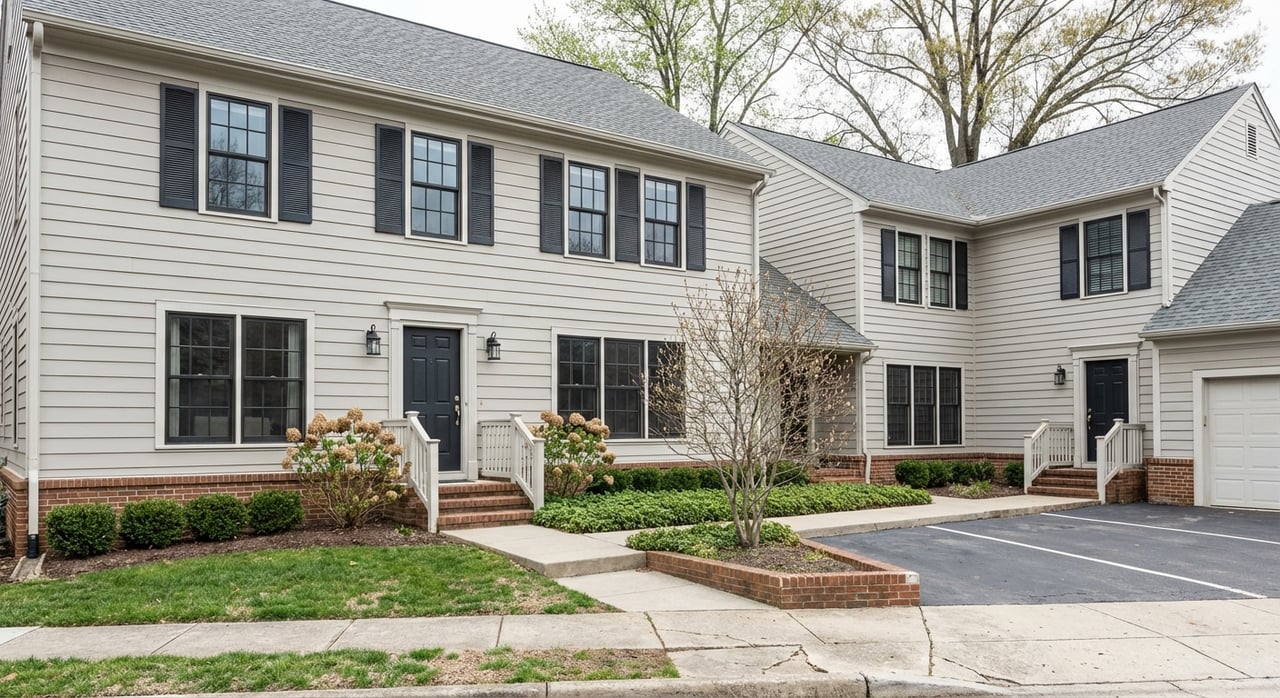
If you plan to drive to the station, build parking rules into your decision. Some buyers prioritize homes with two-car garages and easy driveway stacking. Others choose a townhouse or condo where maintenance is lighter and walking is the norm. Town rules and street signage will guide overnight and daytime parking, so review them as you tour.
Budget, taxes, and total cost
Commuter life has line items beyond the mortgage. Add monthly rail passes or pay-as-you-go fares, plus any station parking or rideshare costs. Review property taxes for each home you consider, since rates vary by neighborhood and improvements. If you plan to drive into the city occasionally, estimate tolls and parking so you can compare that total with NJ Transit options.
Priorities by lifestyle
Different buyers weigh tradeoffs differently. Families often prioritize larger yards, garage space, and straightforward routines for school and activities. Single professionals may lean toward a short walk to the train and low-maintenance living close to restaurants and fitness. There is no single right answer. The best fit is the home that supports your daily rhythm and future plans.
How to plan your move smart
Commuter homebuying checklist
- Test your door-to-door commute at the times you are most likely to travel.
- Explore first-mile options. Walk, bike, drive, or drop-off to see what feels natural.
- Review station parking rules, permit timing, and daily options on the town site.
- Compare NJ Transit monthly passes with your driving costs and time.
- Tour neighborhoods at both morning and evening hours to sample real traffic and noise.
- Identify your must-haves. Examples include a short walk to town, a two-car garage, or a home office.
- Check storage and entry layouts for everyday commuter gear like bikes, strollers, and work bags.
- Confirm home internet options and speeds if you work remotely.
- Note seasonal patterns. Farmers markets, concerts, and holiday events change traffic and parking.
- Partner with a local agent early to preview listings that match your commute and lifestyle goals.
Partner with a local advisor
Finding a home that fits your commute and your life is a design and logistics exercise. You want a place that feels right and functions well from Monday through Sunday. If you are considering Westfield or nearby commuter towns, work with a local who understands the train, the town center, and the streets that make daily life easy. To talk through neighborhoods, timing, and how to align your search with your routine, connect with Eleana Giannisi.
FAQs
How long is the train ride from Westfield to New York City?
- It generally falls within a typical suburban commute window, often about 30 to 60 minutes depending on schedule, transfers, and your first-mile plan.
Are there direct trains to New York from Westfield?
- Depending on the timetable, some trains run directly to New York while others involve a transfer in Newark or Hoboken, so always check the current schedule.
Is parking available at the Westfield station?
- Many stations use permit systems with limited daily spaces, and Westfield follows a similar approach, so review the town’s latest rules and plan ahead.
Can I walk to the station from most neighborhoods?
- Central neighborhoods are known for walkability, but proximity varies, so map your walk time during a visit and compare options across blocks.
How does the cost of commuting compare with driving?
- Monthly rail passes and pay-as-you-go fares can be more predictable than tolls and Manhattan parking, so compare your exact route and schedule before deciding.
What is evening life like on weeknights?
- Downtown offers a mix of restaurants, services, and fitness options, making it easy to grab dinner, run errands, or take a class after you get off the train.