What makes one Westfield home feel instantly market-ready while another sits longer than expected? In a town where buyers often start online and presentation can shape both interest and offers, the details matter. If you are planning to sell, a room-by-room approach can help you focus your time, budget, and energy where it counts most. Here is how to prepare your Westfield home so it shows well in person and on screen.
Why prep matters in Westfield
Westfield remains a high-value market, but the numbers still point to the importance of strong presentation and pricing. Recent reporting shows median sale and listing values ranging from about $1.22M to $1.45M, with homes moving in a fairly quick window depending on the source. That means buyers may move fast, but they are still comparing condition, layout, and overall polish before they decide to act. According to Redfin's Westfield housing market data, homes have recently sold in a matter of weeks.
Presentation also matters because many buyers form their first impression online. The National Association of Realtors reports that 81% of buyers rated listing photos as the most useful feature in their online search, and 52% found the home they purchased online. In a visually driven market like Westfield, your home needs to look clear, bright, and inviting before a showing is ever scheduled.
Start with a smart prep plan
If you have six to twelve months before listing, focus first on decluttering, deep cleaning, paint touch-ups, and smaller cosmetic repairs. The local guidance in Realtor.com's Westfield overview suggests that cost-effective cosmetic updates often make more sense than major renovations when you are preparing to sell. Large remodels rarely return their full cost.
If your home is older or includes historic exterior details, pause before making visible outside changes. Westfield is known for its tree-lined neighborhoods, historic character, and central train access, and some exterior updates may require review if the property is locally designated historic. The town's Downtown Westfield information and preservation framework make it clear that preservation-minded planning can be important.
Exterior checklist
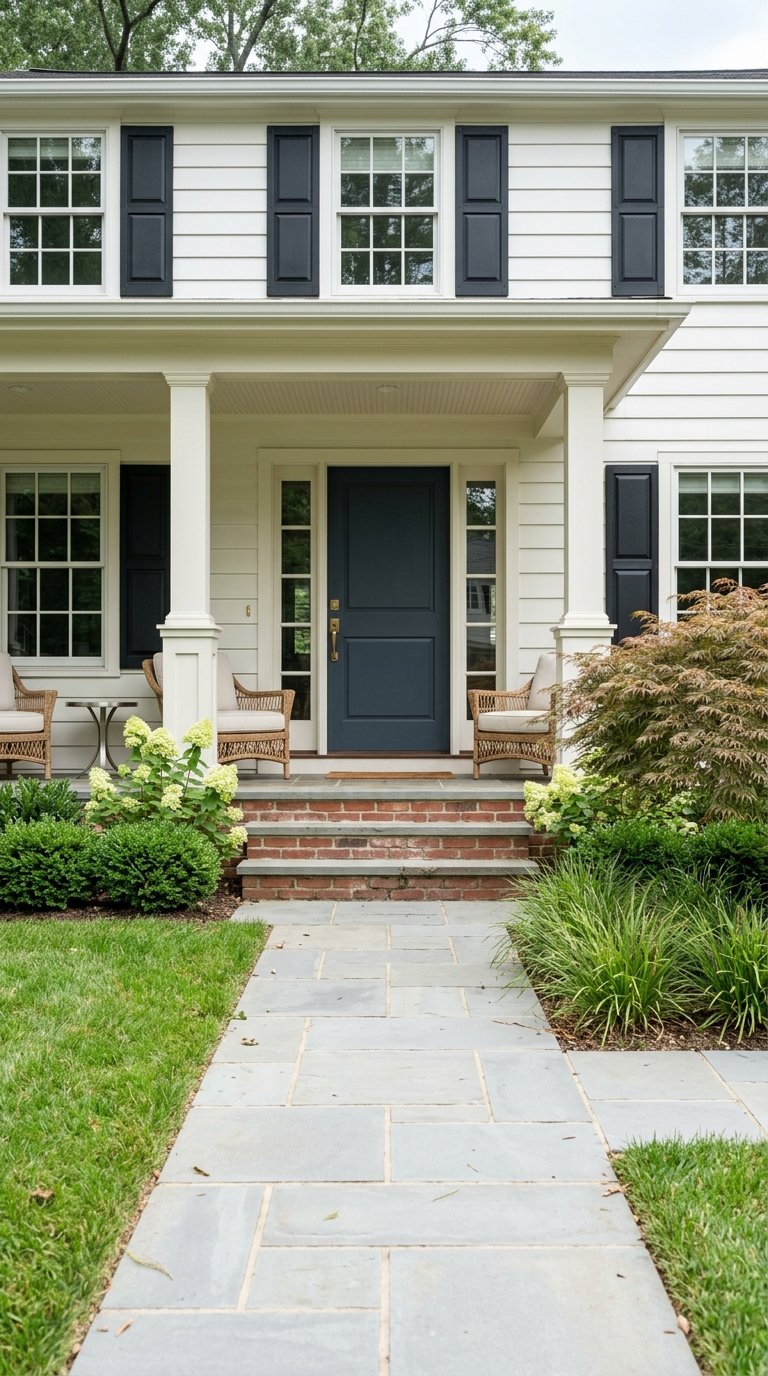
Your exterior sets the tone for every showing. Buyers often notice the approach to the home before they take in anything else, so curb appeal deserves early attention.
Front yard and walkway
- Remove leaves, branches, and debris
- Trim overgrown shrubs and plantings
- Edge walkways and refresh mulch if needed
- Make sure the path to the front door feels clear and easy to follow
Siding, porch, and entry
- Clean the front door and surrounding trim
- Pressure-wash the deck, porch, or walkway if needed
- Replace burnt-out bulbs near the entry
- Touch up peeling paint or visible wear
According to Realtor.com's home prep guidance, exterior maintenance issues and neglected curb appeal can turn buyers off early. In Westfield, where older homes and classic architecture often play a big role in value, a clean and well-kept entry can support a stronger first impression.
Living room checklist
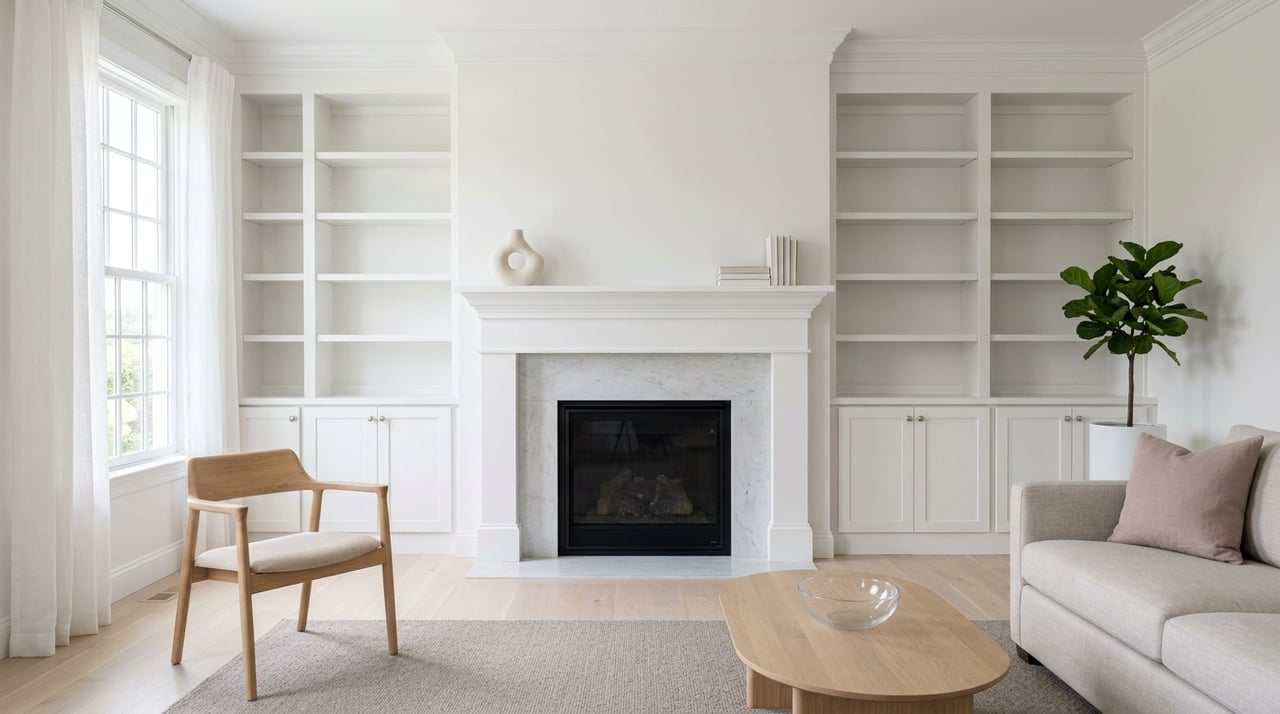
The living room is one of the most important spaces to prepare because it is also one of the most important rooms to stage. NAR's 2025 staging report found that the living room is the room buyers' agents most often identify as a priority for staging, and that staging helps buyers visualize a property as their future home.
What to do
- Remove extra furniture to improve flow
- Create a simple seating arrangement
- Keep surfaces lightly styled, not crowded
- Use neutral decor and textiles
- Open window coverings to maximize natural light
If the room feels crowded, oddly shaped, or dated, this is one of the best places to consider professional staging. Your goal is not to show how you live day to day. It is to show the room's scale, function, and comfort as clearly as possible.
Kitchen and dining checklist
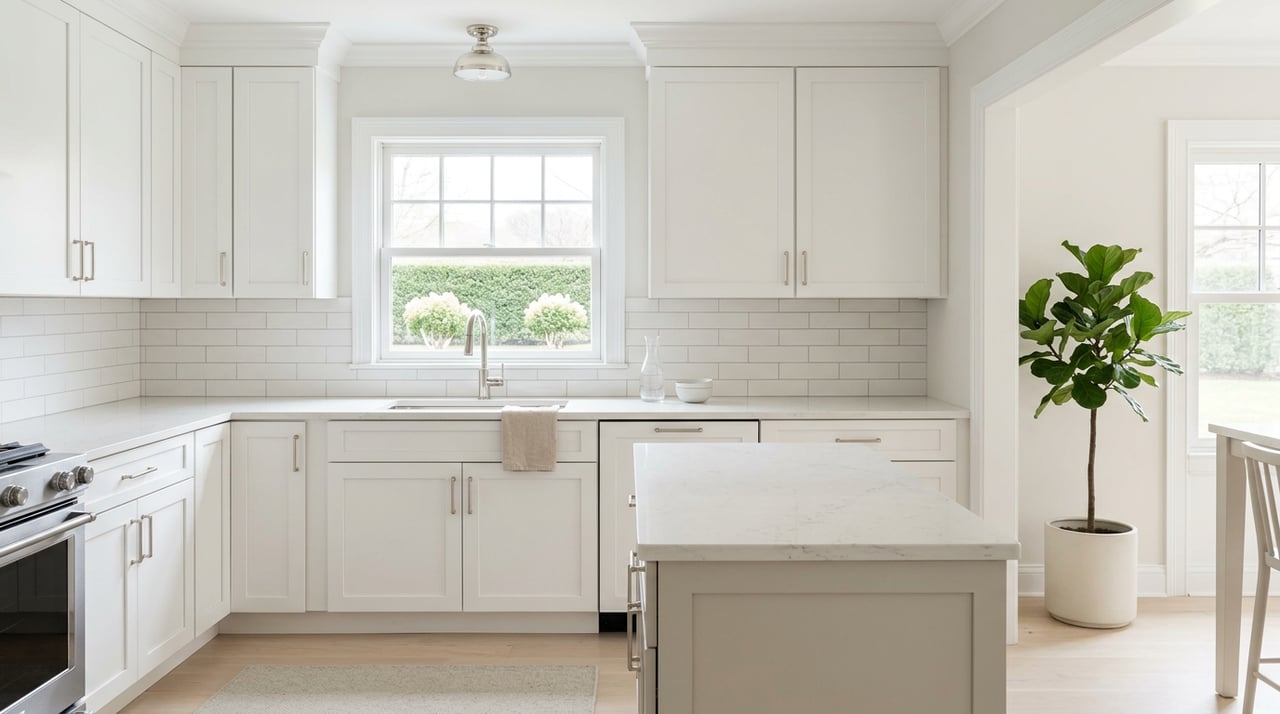
Buyers tend to notice kitchens quickly, and small presentation issues stand out here. You do not need a full remodel to make the space feel more appealing, but you do need it to look clean, bright, and well maintained.
Kitchen priorities
- Clear countertops as much as possible
- Store away small appliances
- Deep-clean the sink, faucet, backsplash, and cabinet fronts
- Replace dim or mismatched bulbs
- Re-caulk areas with obvious wear
Dining area priorities
- Keep the table simple and centered
- Remove oversized furniture if the room feels tight
- Use minimal decor so the room feels open
NAR notes that poor kitchen presentation, bad lighting, and visible DIY flaws can hurt the showing experience. In many Westfield homes, even a few thoughtful cosmetic fixes can make the kitchen feel more current without overspending.
Bedroom checklist
Bedrooms should feel calm, spacious, and flexible. The primary bedroom is another room that buyers often expect to be staged or at least styled with care.
Primary bedroom
- Use neutral bedding
- Remove bulky furniture that shrinks the room
- Clear dressers and nightstands
- Limit personal items and bold decor
Secondary bedrooms
- Simplify each room's purpose
- Remove clutter from desks, shelves, and floors
- Make the room read as usable space, whether for sleep, guests, or work
- Keep closets neat and only partly full
The main goal is to help buyers picture how they could use the room. Overfilled closets, heavy personalization, and too much furniture can make bedrooms feel smaller and less functional.
Bathroom and laundry checklist
Bathrooms and laundry areas need to feel spotless. Buyers pay close attention to cleanliness in these spaces because they often read it as a sign of overall home maintenance.
Bathrooms
- Clear counters completely except for one or two simple items
- Hide toiletries, medications, and cleaning products
- Scrub tile, grout, mirrors, and fixtures
- Replace worn towels with fresh neutral ones
- Fix dripping faucets or visible caulk issues
Laundry room
- Store detergent and supplies neatly
- Wipe down machines and shelves
- Clear the floor and remove overflow storage
NAR specifically identifies bathroom clutter and deferred maintenance as common showing problems. Clean, simple, and organized wins here.
Storage, garage, and basement checklist
Storage space matters, but packed storage works against you. Buyers want to see that the home has capacity, not that every inch is already full.
Closets and storage rooms
- Remove out-of-season items when possible
- Keep shelves tidy and partly open
- Use matching bins or labeled containers
- Avoid stuffing items into corners
Garage
- Clear enough space to show function
- Organize tools and sports gear
- Sweep floors and remove obvious clutter
Basement and utility spaces
- Keep floors as open as possible
- Group and label stored items
- Improve lighting if the space feels dark
- Make utility areas feel clean and accessible
Even practical spaces benefit from simple styling. Buyers respond better when they can quickly understand how a space works and what it can hold.
Common mistakes to avoid
Some prep mistakes are easy to miss because you stop noticing them when you live in the home every day. Before photos and showings, watch for these common issues:
- Strong candles or artificial scents
- Visible pet beds, bowls, or litter areas
- Too many family photos
- Dark rooms with heavy window coverings
- Messy closets or garages
- Listing photos that look far better than the home does in person
NAR's list of common showing offenses makes one thing clear: buyers notice clutter, odors, lighting problems, and mismatches between online photos and the real experience. Honest, polished presentation is far more effective than overediting.
When professional staging helps
Not every home needs full staging, but some homes benefit from it more than others. In Westfield, where recent home values have been reported in roughly the $1.2M to $1.45M range depending on the source, buyer expectations can be high. At that level, polished presentation often feels less like a bonus and more like part of the standard.
Professional staging can be especially helpful if:
- Your home is vacant
- A room has an awkward layout
- The home feels dated but is otherwise well maintained
- You want listing photos to feel cohesive and elevated
NAR found that 49% of sellers' agents said staging reduced time on market, and 29% said it increased the dollar value offered by 1% to 10%. Paired with strong photography, staging can help your home connect with buyers faster.
Final pre-listing timeline
As your list date gets closer, shift from long-term prep to final presentation. This helps you avoid rushing the details that matter most.
6 to 12 months out
- Declutter room by room
- Paint where needed
- Handle minor repairs
- Review any exterior changes if historic rules may apply
2 to 6 weeks out
- Deep-clean the home
- Finish cosmetic touch-ups
- Organize closets and storage areas
- Finalize curb appeal work
Final days before listing
- Stage key rooms if needed
- Schedule professional photography
- Remove daily-life items from counters and surfaces
- Check lighting, bedding, towels, and entry presentation
If you want your Westfield home to stand out, the best strategy is usually not a full overhaul. It is a thoughtful, well-timed plan that highlights your home's strengths and makes it easy for buyers to say yes. If you are thinking about selling and want a design-forward prep strategy tailored to your home, connect with Eleana Giannisi for a consultation or home valuation.
FAQs
What rooms matter most when preparing a Westfield home for sale?
- The living room, primary bedroom, kitchen, and dining area are often the highest-impact spaces because buyers notice them quickly in photos and during showings.
How much should you update before selling a home in Westfield?
- Focus on decluttering, cleaning, paint, lighting, and small cosmetic fixes rather than major renovations, since large remodels often do not return full cost.
Is professional staging worth it for a Westfield seller?
- Professional staging can be especially helpful if your home is vacant, has awkward room layouts, or is priced where buyers expect a polished presentation.
How early should you start preparing your Westfield home to sell?
- If possible, start six to twelve months ahead so you have time to declutter, make repairs, and handle cosmetic updates without last-minute stress.
Should you make exterior changes to a historic Westfield home before listing?
- If your home is locally designated historic, check whether visible exterior changes may require approval before replacing materials or altering details.