Thinking about buying a single-family home in Kenilworth, but not sure what to expect? You are not alone. Between pricing, older home considerations, and commute planning, there is a lot to weigh before you write an offer. In this guide, you will get a clear picture of budgets, common home styles, lot sizes and zoning, inspections for mid-century houses, and realistic commuting options so you can move forward with confidence. Let’s dive in.
Prices and value today in Kenilworth
If you are shopping right now, recent market indicators place Kenilworth’s single-family median in the roughly $620,000 to $675,000 range. That is what you will often see reflected in current listing and sales activity. As a deeper baseline, the Borough’s recent housing analysis shows an ACS median owner value of about $521,100, with about 92.8% of owner-occupied homes valued between $300,000 and $999,999. You can use this range to understand the overall value distribution of local housing stock and where today’s sales are landing within it. You can review those figures in the Borough’s housing element and ACS tables for context: Kenilworth HEFSP and ACS summary.
What this means for you: set your target budget based on up-to-the-minute comps, not just list prices you see online. Medians move with seasonality and demand, so confirm recent closed sales with your agent before you decide on an offer number.
What Kenilworth homes look like
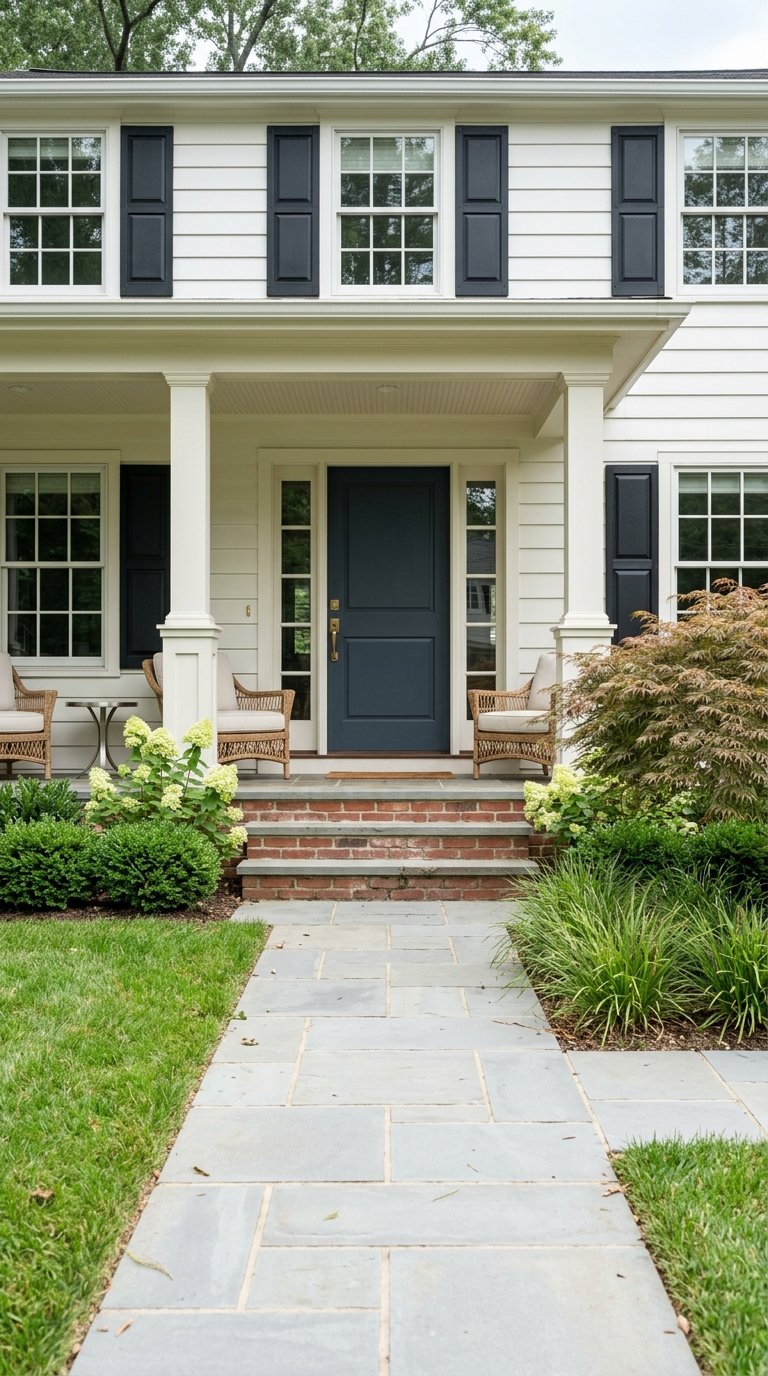
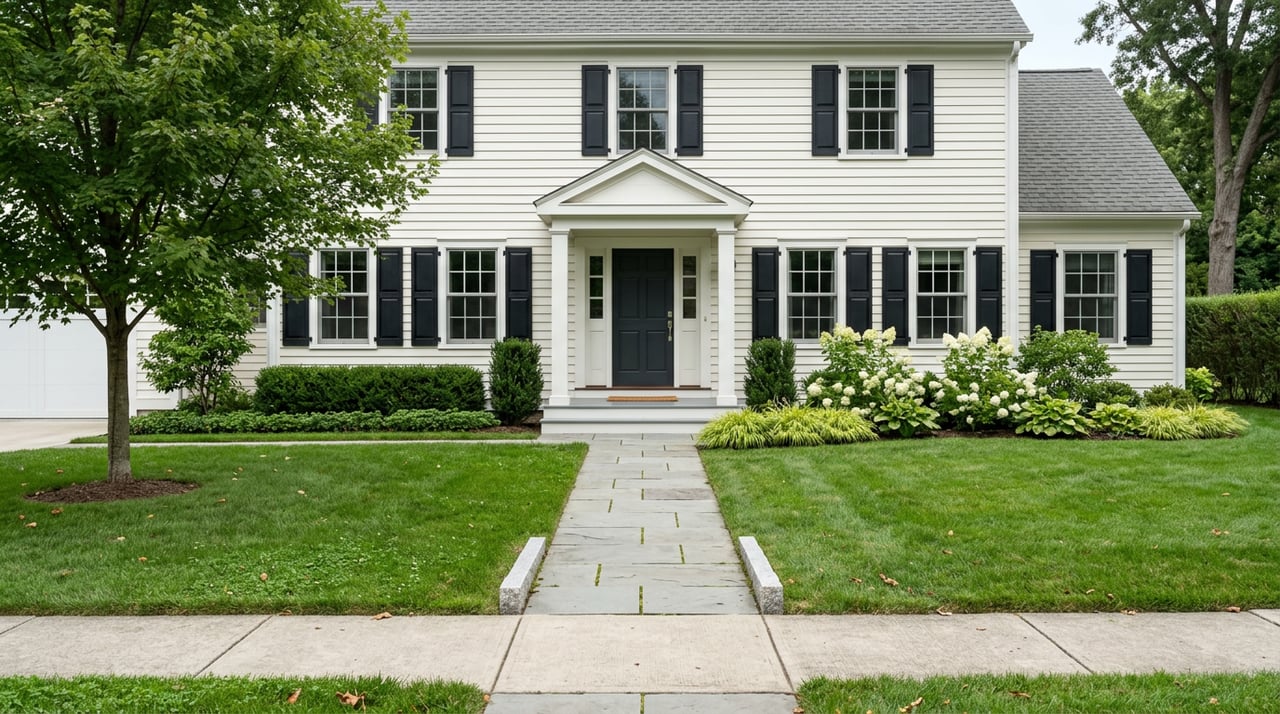
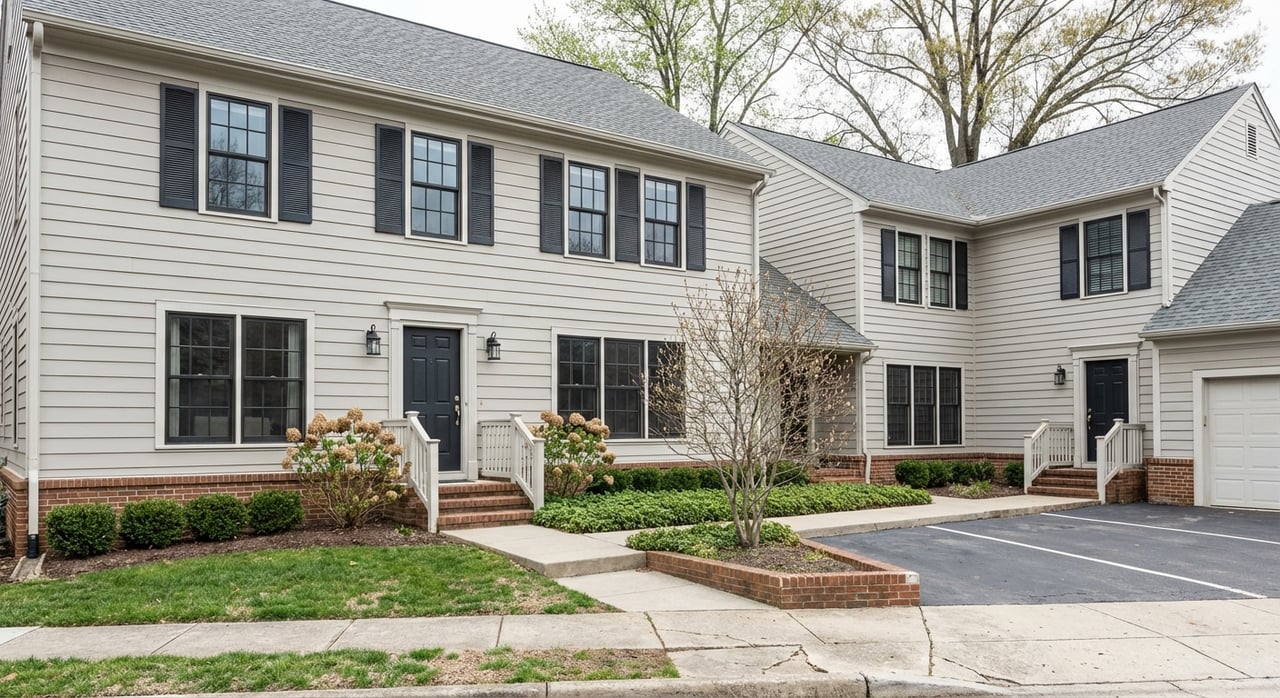
Kenilworth is classic mid-century New Jersey suburbia. More than half of local homes were built in the 1940s and 1950s, which gives the town a consistent neighborhood feel and a lot of charm. The majority of properties are detached single-family houses with practical, livable floor plans that often feature three bedrooms. Expect modest footprints that live larger with basements, finished or unfinished attics, and efficient layouts.
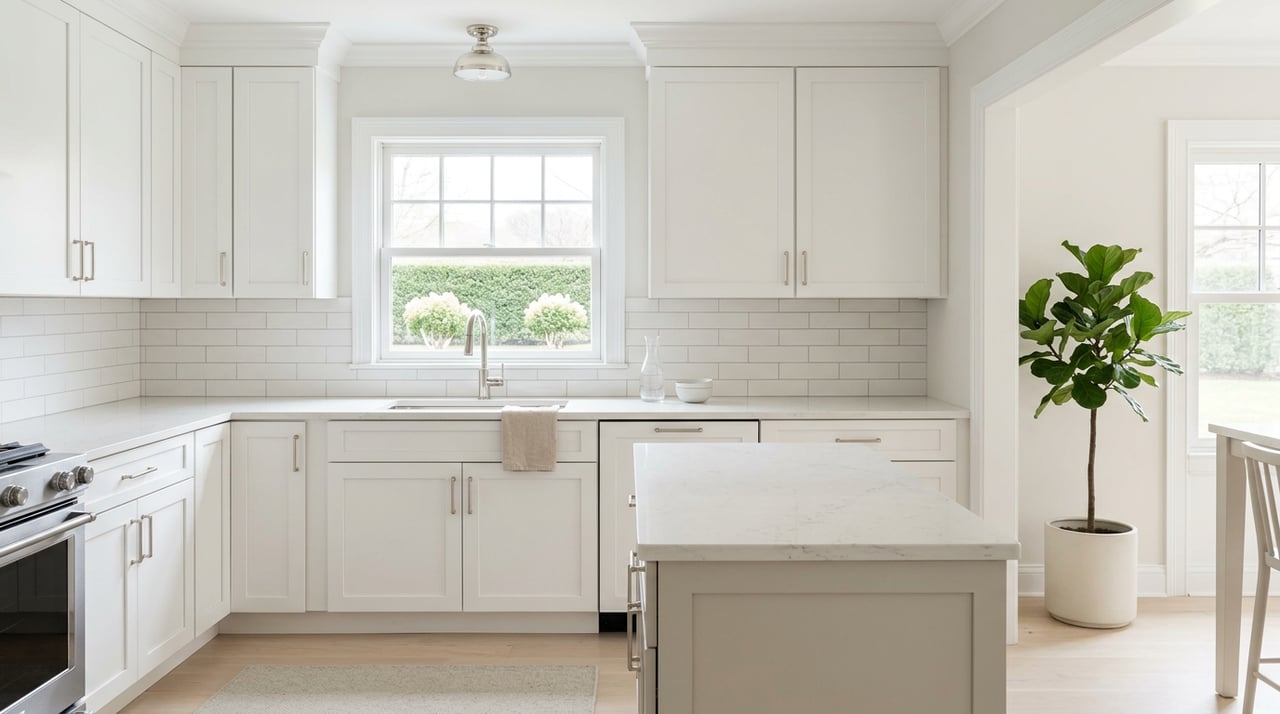
Because many homes are 60 to 80 years old, you will often encounter legacy systems or finishes. That does not mean a home is not move-in ready. It just means you should budget thoughtfully for updates over time and pay close attention to inspection results.
Lots, zoning, and renovation potential
Most Kenilworth blocks were platted with compact, near-grid lots. In several single-family residential districts, the Borough’s Land Use Ordinance sets minimum lot areas of about 5,000 square feet and minimum lot widths in the 50 to 60 foot range. In practice, you will see many 50-by-100 or 60-by-100 lots. These standards shape what you can do with additions, garages, and outdoor space. If you are thinking about expanding, always verify setbacks, floor-area limits, and any special district rules with the Borough before you plan. You can reference the municipal code here: Kenilworth Land Use Ordinance.
What this means for you: small side yards are common, and rear additions are usually more feasible than wide additions. Confirm your specific block and lot details early in your due diligence so your renovation vision aligns with local rules.
Commuting from Kenilworth
Kenilworth works well if you want suburban living with flexible commute options.
- Rail: The nearest NJ TRANSIT Raritan Valley Line stations are Roselle Park and Cranford. Riders commonly drive or get dropped off, then connect to Newark Penn Station with some schedules offering limited through service to New York Penn Station. Check current timetables before you buy: NJ TRANSIT Roselle Park Station and NJ TRANSIT Cranford Station.
- Bus: Local routes, including the 58 bus, run through or near Kenilworth and connect to neighboring hubs. See route details here: NJ area bus 58 route overview.
- Driving: You are a short drive to Newark Liberty International Airport and within a typical 15 to 20 mile range to central Manhattan by road, depending on your exact start and end points. Travel times vary by time of day, so test your route during your actual commute window.
How Kenilworth compares nearby
Within Union County, Kenilworth often trades at a value point below some higher-priced neighbors, with Westfield and certain areas of Cranford tending to command premiums, and portions of Union Township or Roselle Park sometimes offering similar or lower price points. Factors like direct rail access, downtown amenities, and housing condition influence those differences. For you, this can mean a well-kept, detached home on a compact lot in Kenilworth at a budget that stretches further than in some nearby towns, especially if you are comfortable with a short drive to the train.
Smart offer strategy in this market
Strong preparation beats guesswork. Here is how to compete without overreaching:
- Get pre-approved and keep your financing tight. A clear pre-approval and a strong understanding of recent sold comps help you size an offer with confidence.
- Anchor to recent sales, not list prices. Ask for a comp set from the last 30 to 90 days to calibrate your bid.
- Use a practical inspection contingency. Older homes deserve a thorough look handled by pros, with room to negotiate based on findings.
- Be flexible on remedies. You can request seller repairs, a price adjustment, or an escrow credit. Some lenders and insurers may require safety-related fixes before closing, so loop your lender and insurance agent in early.
Contingencies that count for older homes
Kenilworth’s mid-century stock calls for inspections that match the era. Build these into your offer strategy:
- Lead-based paint in pre-1978 homes. Federal rules require sellers to disclose known lead hazards and allow testing. Review your rights and plan safe renovation practices if you will disturb painted surfaces. Learn more from the EPA: Lead-based paint disclosure and Title X.
- Electrical systems and panels. Legacy wiring and undersized panels can appear in 1940s–1950s houses. These conditions may affect insurability and should be evaluated by a licensed electrician if your general inspector flags concerns.
- Heating fuel and underground oil tanks. Many older New Jersey homes once used oil heat. Ask for documentation of proper tank removal or abandonment and consider a tank sweep or soil test where appropriate. See general background on agencies and tank issues: Oil tank guidance overview.
- Asbestos-containing materials. Mid-20th-century homes may include asbestos in certain materials. Testing and professional protocols are important if you plan to renovate. Reference EPA guidance here: Asbestos in buildings overview.
- Plumbing, HVAC, and roof age. Galvanized supply pipes, older boilers or furnaces, and aging roofs are not unusual in post-war homes. Budget for upgrades over time and verify permitted work through the Borough when possible.
What to budget and expect
For older housing stock, plan an immediate repair or update cushion of about 2% to 5% of your purchase price for items like electrical, HVAC, and cosmetic refreshes. That budget helps you respond quickly to inspection findings without derailing your move-in plans. The Borough’s housing analysis underscores that older homes can require more frequent maintenance, which supports a thoughtful reserve.
Your timeline from offer to close will typically include general and specialist inspections, appraisal, mortgage underwriting, title and survey, and a final walk-through. Build in time to pull past permit records so you know what was done, when, and by whom. This clarity helps you forecast future work and protects your investment.
Kenilworth buyer checklist
Use this quick list as you tour and plan:
- Secure a current mortgage pre-approval and set a ceiling that includes a 2% to 5% repair reserve.
- Ask the seller for electrical permits or receipts, heating system history, any prior lead tests, and proof of any oil-tank closure or soil testing when relevant.
- Write an inspection contingency that allows specialist follow-ups for electrical, oil tanks, and environmental testing as needed.
- Verify zoning and lot constraints in the Kenilworth Land Use Ordinance if you plan an addition or garage.
- For commutes, check schedules from Roselle Park Station or Cranford Station at the exact times you expect to travel, and confirm your proximity to bus stops like the 58 route.
Ready to buy with clarity and a design-first eye for potential? Let’s make your next move feel simple and well-planned. Reach out to Eleana Giannisi for a tailored buying strategy, on-the-ground touring, and calm, expert guidance from offer to keys.
FAQs
What is the typical price range for a Kenilworth single-family home in 2026?
- Recent indicators place medians roughly between $620,000 and $675,000, with an ACS owner-value baseline near $521,100 that helps frame overall value distribution in town.
How big are typical Kenilworth lots and can I add on?
- Many single-family lots fall near 5,000 to 6,000 square feet with 50 to 60 foot widths; check the Land Use Ordinance and confirm setbacks, FAR, and approvals for any planned addition.
Which train stations serve Kenilworth commuters?
- Most commuters use NJ TRANSIT’s Raritan Valley Line from Roselle Park or Cranford, then connect through Newark Penn Station with some limited direct trains to New York Penn Station.
What inspections are most important for older Kenilworth homes?
- Prioritize a full home inspection plus checks for lead-based paint, legacy electrical, potential oil tanks, asbestos in certain materials, and the age of plumbing, HVAC, and roof.
How far is Kenilworth from Newark Airport and Manhattan?
- Kenilworth is roughly 6 to 10 miles from Newark Liberty International Airport and about 15 to 20 miles from central Manhattan by road, with travel times that vary by traffic and time of day.