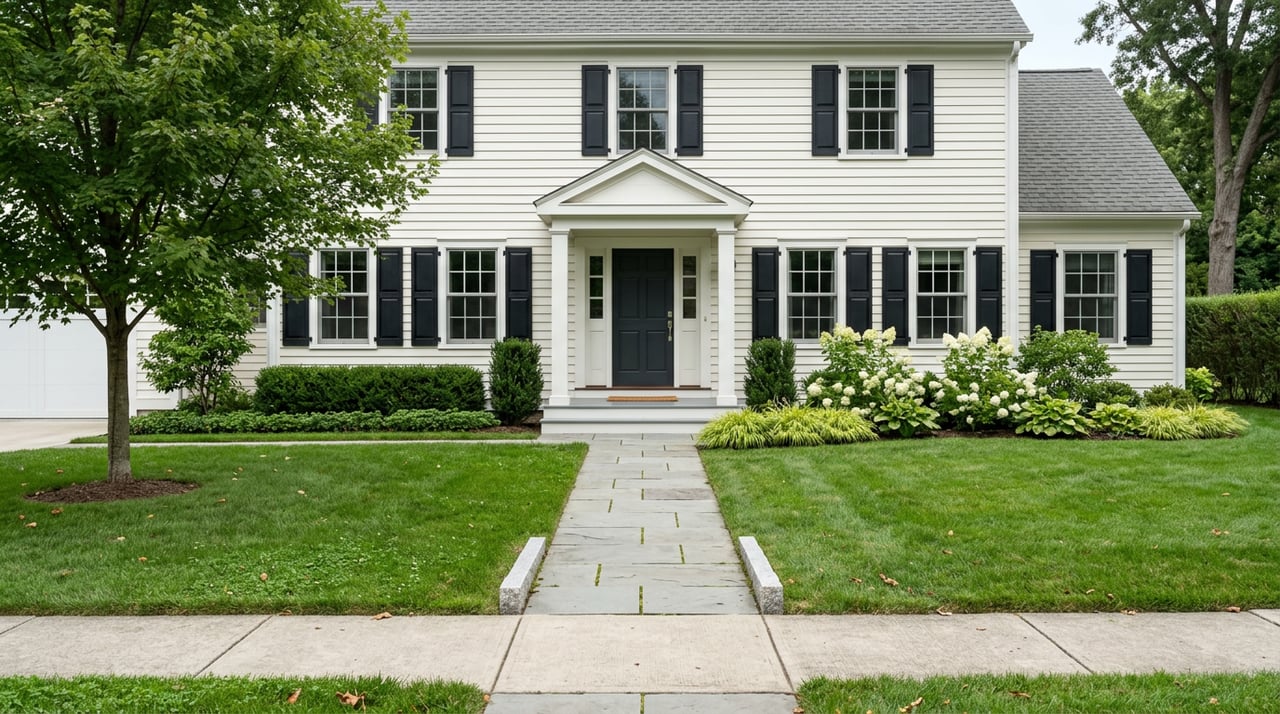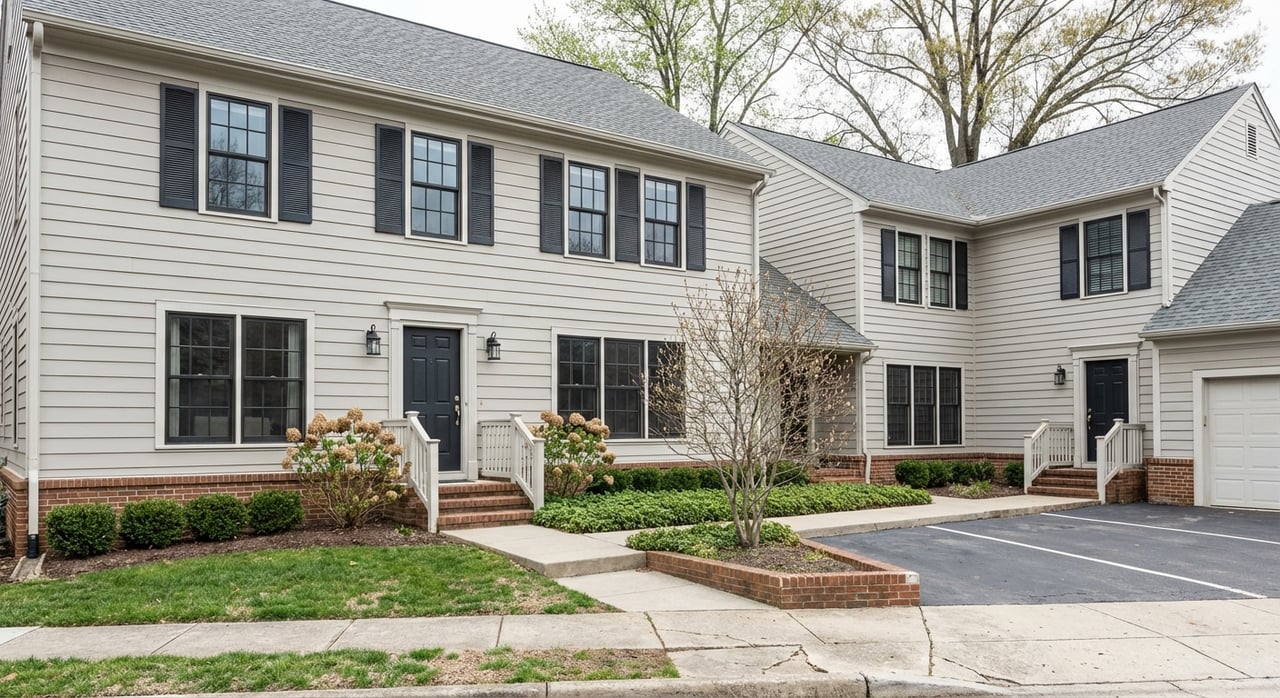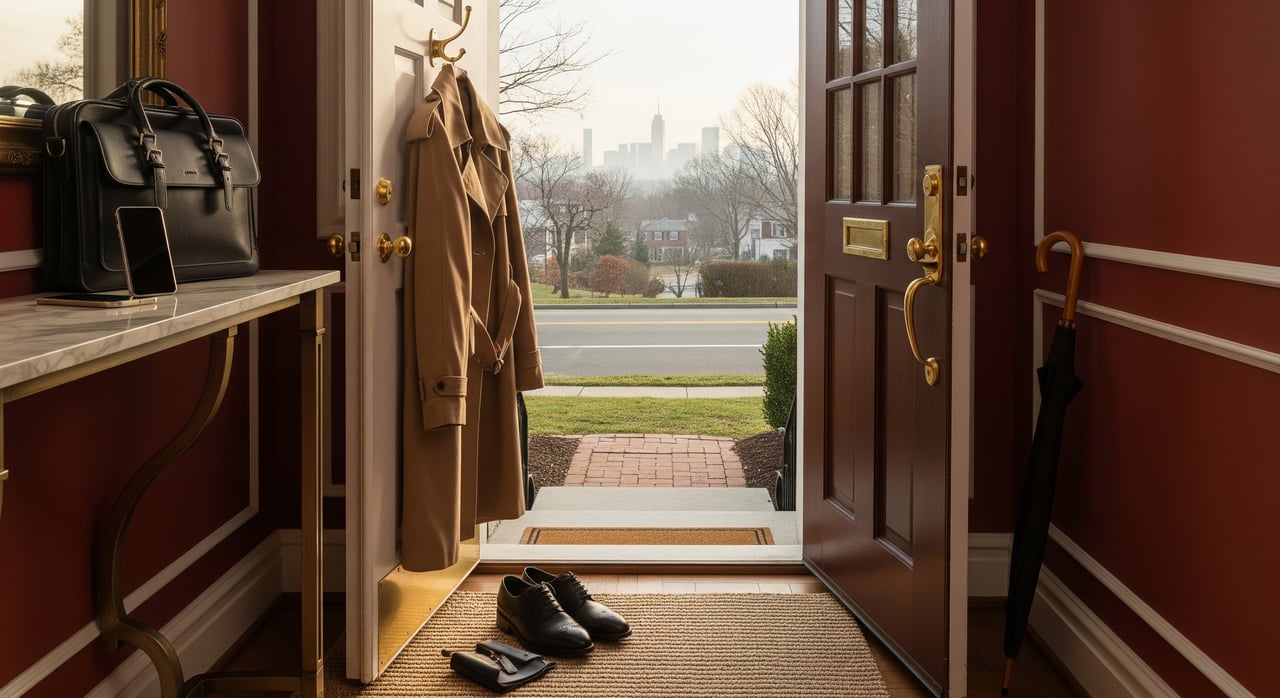
Thinking about a move to Summit and wondering how the daily trip to Manhattan really works? You are not alone. The Summit to NYC commute is a big part of your lifestyle, budget, and time with family, so it deserves a clear plan. In this guide, you will learn your best train and driving options, what to expect for timing and costs, smart hybrid-work strategies, and how Summit compares with nearby towns. Let’s dive in.
Summit to NYC at a glance
- The primary option is NJ Transit’s Morris & Essex Lines (Midtown Direct), which runs directly into New York Penn Station.
- Typical one-way train time is often about 35–45 minutes on express Midtown Direct trains; local trains can take longer.
- Summit station sits by downtown, making quick errands, drop-offs, or rideshares convenient.
- Driving is possible but highly variable during rush hours due to traffic, tolls, and Manhattan parking costs.
Always verify current schedules, parking rules, and tolls. Check the latest on NJ Transit schedules and service alerts and the City of Summit parking and permits pages before you go.
NJ Transit: Midtown Direct
Midtown Direct is the backbone of Summit’s commuter life. Trains run from Summit straight into New York Penn Station (34th Street) without a transfer. Peak times offer frequent service, while off-peak, evenings, and weekends run less often and may require transfers depending on the timetable. To confirm trip times and any service changes, use the NJ Transit schedules and service alerts page.
Expect around 35–45 minutes on express trains from Summit to NY Penn. Trains that make more stops will take longer. Rail is typically more predictable than driving at peak times, though weather, construction, or signal issues can cause delays. NJ Transit’s app and alerts are helpful for real-time updates.
The Summit station has high-level platforms, ticket machines, ADA access points, and sits right by downtown for quick coffee or last-mile pickups. For many residents, this walkable setup is a daily time-saver.
Tickets and passes
You can buy one-way, round-trip, ten-trip, or monthly passes. Monthly passes often deliver the best per-ride value if you commute most weekdays. If you only head into the city a few days per week, consider a ten-trip or pay-as-you-go purchases in the mobile app instead. Review current options and rules via NJ Transit’s site, and check if your employer offers pre-tax commuter benefits.
Quick tips:
- For hybrid schedules, compare monthly vs pay-per-ride before you commit.
- Use the app to skip ticket lines and for quick validation.
- Confirm peak vs off-peak pricing and any transfer rules.
Summit station parking
Summit offers a mix of permit lots, daily garages/meters, and nearby private parking. Weekday mornings can be busy, and some permit lots fill early. Many commuters secure permits or arrive earlier to keep parking stress low. For current fees, permit details, and maps, see the City of Summit parking and permits information.
There are also drop-off or kiss-and-ride areas close to the station. Follow posted signs to avoid ticketing and keep curb flow moving.
Buses, shuttles, and rideshare
Local bus service exists in parts of Union County, though Summit’s network is more limited than major hubs. Some employers or residential communities run private shuttles. Rideshare and taxis are useful for late-night returns, door-to-door trips, or as a backup during service changes. Keep in mind that fares can surge during peak hours and pickups in Midtown can be delayed in heavy traffic.
Driving, tolls and Manhattan parking
If you drive to Manhattan, build in a buffer. On lighter days outside the core rush, reaching Midtown can take under an hour. During peak inbound and evening return, travel often stretches past an hour and can approach 90 minutes or more depending on incidents or tunnel back-ups. Use real-time navigation tools and state traffic feeds to check conditions before you go.
You will likely use the Lincoln Tunnel, Holland Tunnel, or George Washington Bridge based on your destination. Tolls and rules change, so confirm details on the Port Authority’s bridges and tunnels page before budgeting. Once in Manhattan, expect premium daily garage rates and tight street regulations.
Park-and-ride options
To avoid Manhattan parking, many commuters park in New Jersey and finish the trip by rail or bus. Common tactics include:
- Parking at a NJ Transit or PATH-accessible station and riding in.
- Using transit-friendly garages near the tunnels with direct bus service.
- Choosing private commuter lots when available.
These options can lower costs and reduce driving time in the most congested stretch. Availability and pricing vary, so compare your alternatives.
Costs to budget
If you choose to drive, plan for:
- Tolls for tunnels or bridges and possible congestion
- Fuel and wear-and-tear
- Parking in Manhattan or at your park-and-ride location
- Insurance and seasonal traffic variability
Many commuters still prefer the train for predictability and the ability to use travel time productively.
Timing and hybrid strategies
Shifting your schedule by even 30–60 minutes can have a big impact. Early trains often have more seating and easier parking. If you are flexible, arriving outside the core rush can reduce both crowding on rail and stress on the roads.
Ticketing tips for hybrid work:
- If you commute 4–5 days per week, a monthly pass may still be the best value.
- For 1–3 days per week, consider ten-trip tickets or app-based pay-per-ride.
- Confirm whether your employer offers pre-tax commuter benefits.
Expect occasional weekend work on rail infrastructure and adjustments to peak schedules compared with pre-2020 patterns. To stay ahead of changes, subscribe to Morris & Essex alerts on the NJ Transit site.
How Summit compares nearby
Morris & Essex peers
Towns like Millburn/Short Hills, Maplewood, South Orange, Chatham, and Madison also sit on the Morris & Essex or Morristown Line and have Midtown Direct service. Differences often come down to parking availability, station-area walkability, and how train frequency fits your window. Summit is centrally located on the line and pairs a strong downtown with its station, which many find convenient.
Other lines nearby
Westfield and Cranford on the Raritan Valley Line may offer different patterns of direct Midtown service at limited times. Many riders transfer at Newark or Hoboken for PATH depending on the schedule. Driving and bus options vary too. If direct Midtown Direct service is your priority, compare these tradeoffs carefully.
Decision checklist
Consider these factors as you weigh Summit against neighboring towns:
- Directness to NY Penn and whether Midtown Direct is available during your ideal commute window
- Train frequency for both morning and late-evening returns
- Station parking options and permit availability
- Downtown walkability and last‑mile convenience
- Budget considerations like home price and property taxes, in addition to commute
Sample commute plans
- Core 3 days per week: Use a monthly pass if the math works out. Lock in a permit and target early trains for a seat and simpler parking.
- Flexible 1–2 days per week: Buy ten-trip or app tickets and aim for mid-morning departures when possible. Keep rideshare as a backup for late returns.
- Compressed workweek: On heavier on-site days, plan for earlier trains and consider park-and-ride if you need to drive. For late meetings, confirm last return train times in advance.
Plan your move with confidence
If a smooth commute matters to you, Summit delivers strong rail access, practical station options, and flexible strategies for hybrid work. When you are ready to explore homes that fit your lifestyle and schedule, reach out. As a local advisor, I will help you balance transit, timing, and neighborhood feel so your day-to-day runs beautifully.
Let’s map your commute and your next home together. Connect with Eleana Giannisi for a friendly, no-pressure consultation.
FAQs
How long is the Summit to NY Penn train?
- Typically about 35–45 minutes on express Midtown Direct trains, with local trains taking longer; confirm specific departures on the NJ Transit schedules and service alerts page.
Is there parking at Summit station for commuters?
- Yes. Summit offers permit lots, daily options, and nearby private garages; weekday mornings can be busy, so check current rules and fees on the City of Summit parking and permits site.
Are there late-night return trains from NYC to Summit?
- Evening service runs, but frequency drops later at night; check the last trains on the NJ Transit schedules and service alerts page or plan for rideshare if you leave Manhattan late.
Is driving faster than taking the train from Summit?
- Not reliably during peak hours. Trains usually beat road congestion for inbound peak travel, while driving times can vary widely with incidents and tunnel delays.
Which nearby suburbs offer similar Midtown Direct access?
- Millburn/Short Hills, Maplewood, South Orange, Chatham, and Madison are on the same general corridor with Midtown Direct options. Compare parking, frequency, and your specific commute window before deciding.